
Building a Better Future: The Impact of Community-Focused Construction in the Bicol Region
BC
Understanding Community-Focused Construction
The Bicol Region, known for its picturesque landscapes and vibrant culture, is becoming a beacon of sustainable development through community-focused construction. This approach emphasizes not only building structures but also fortifying the social fabric of the region. By integrating local needs and resources, these projects aim to have a lasting positive impact.
The Principles of Community-Centric Development
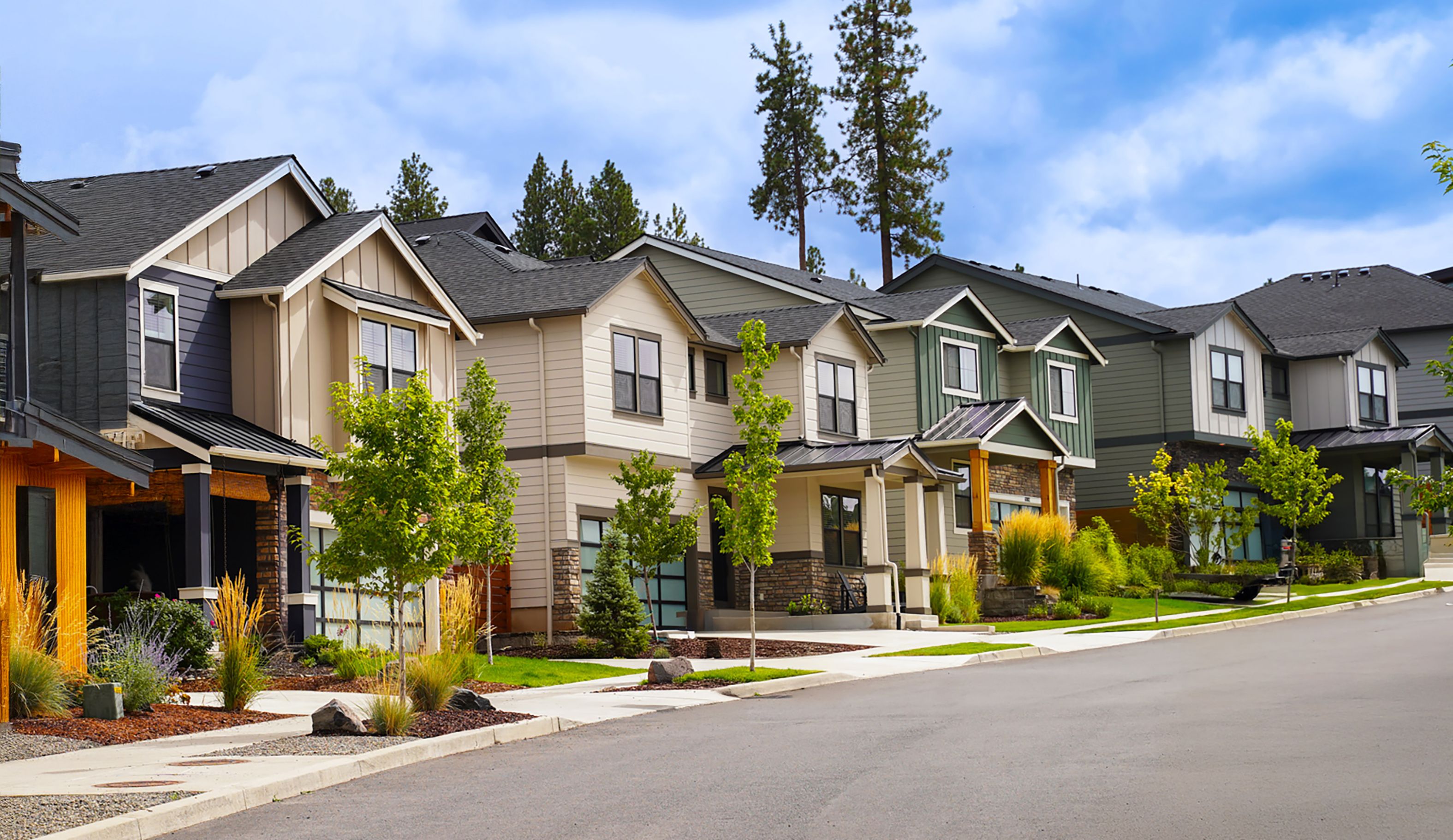
Community-focused construction is guided by several core principles. Firstly, it involves active participation from local communities. By including residents in the planning and decision-making processes, these projects ensure that the outcomes align with the community's needs and aspirations. Secondly, sustainability is a priority, with projects designed to minimize environmental impact and optimize resource use.
Another critical aspect is the focus on inclusivity. Efforts are made to ensure that all community members, regardless of social or economic status, benefit from the development. This inclusive approach aims to reduce inequalities and foster a sense of unity and shared purpose.
Benefits of Community-Focused Construction in Bicol
Implementing community-focused construction in the Bicol Region offers numerous benefits. Economically, it creates job opportunities, particularly for local tradespeople and artisans. The use of local materials not only supports the regional economy but also reduces transportation costs and environmental impact.
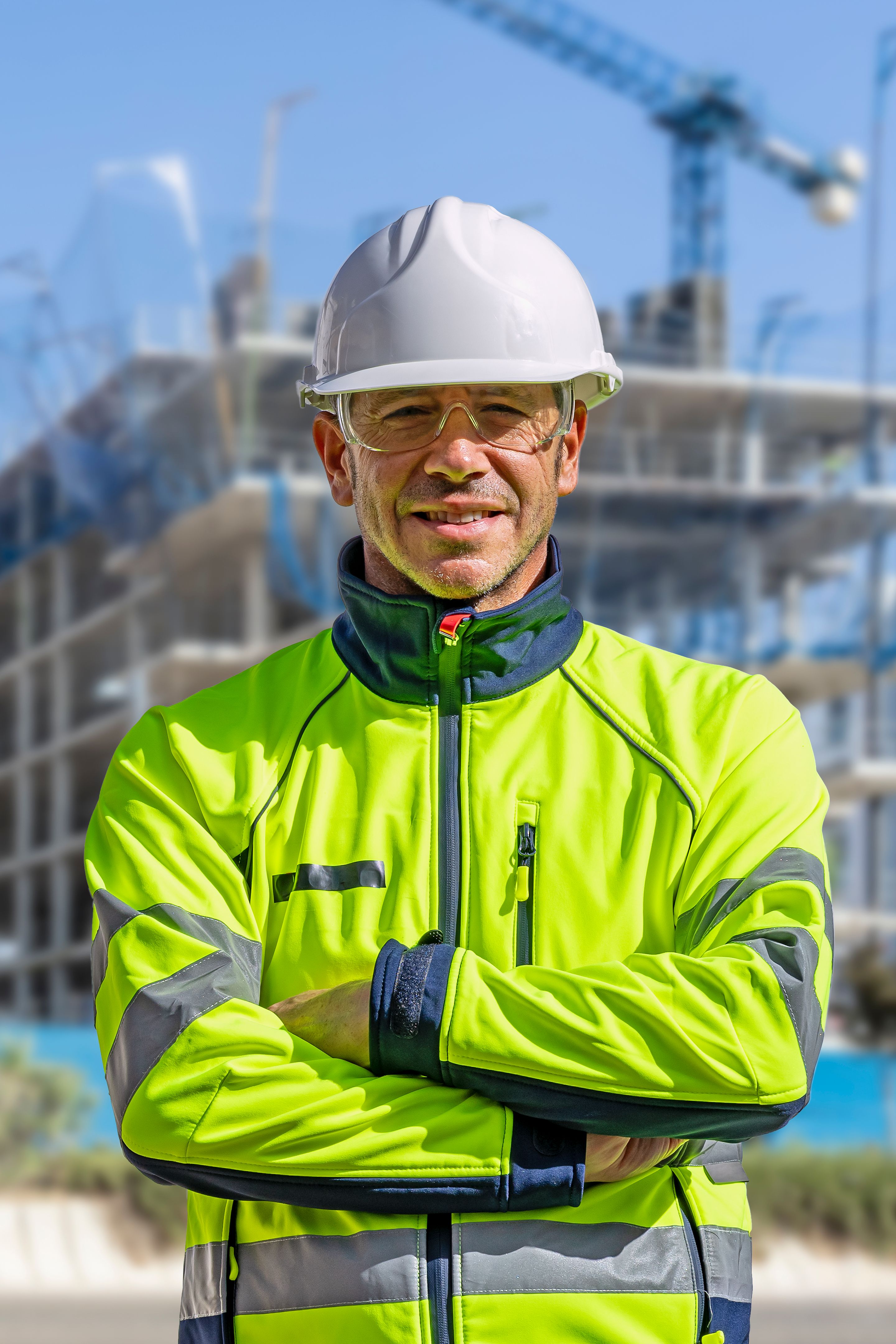
Socially, these projects strengthen community bonds. By involving residents in various stages of development, a sense of ownership and pride is cultivated. This involvement leads to better maintenance and longevity of the infrastructure, as people are more likely to care for something they helped create.
Projects Leading the Way
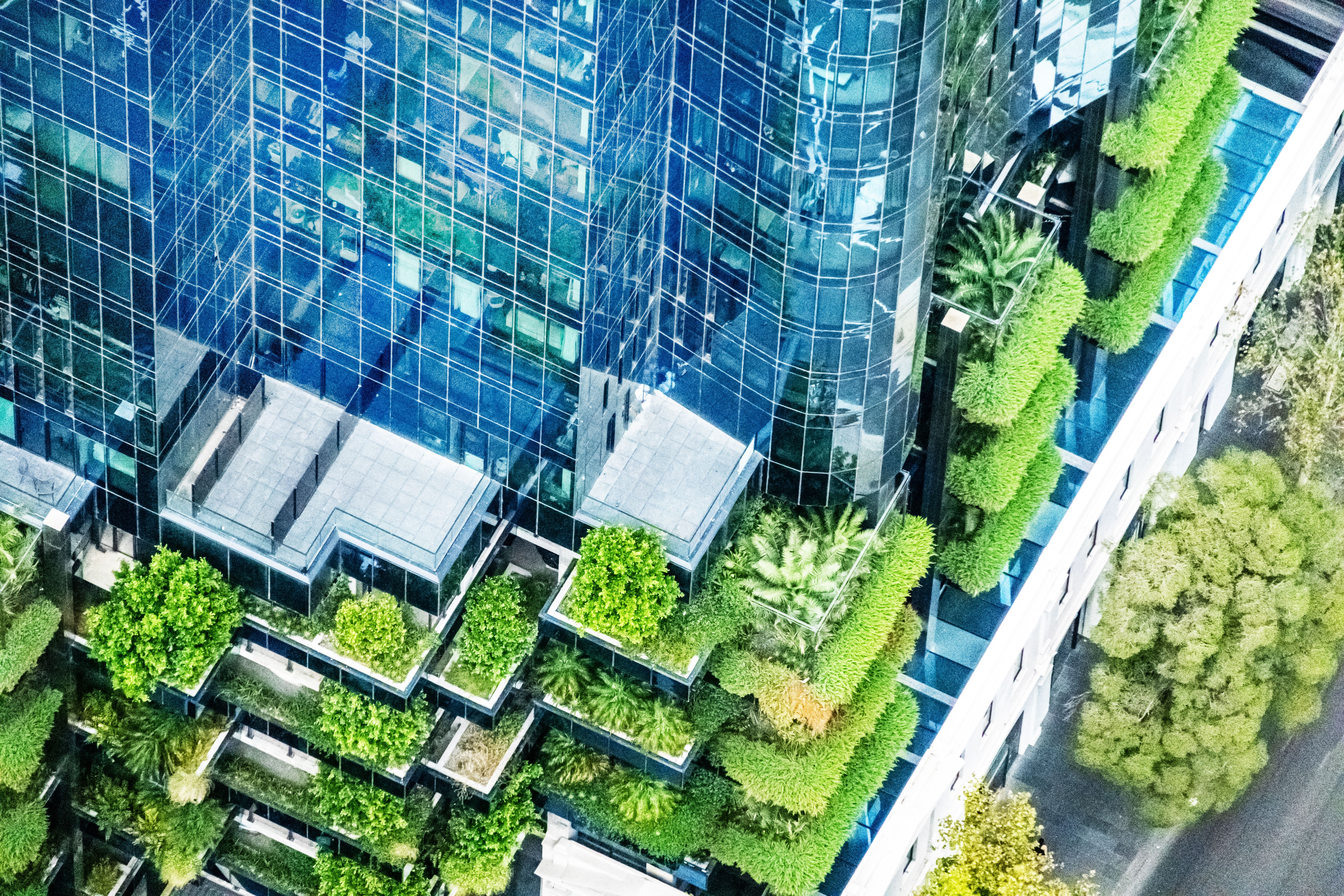
Several community-focused construction projects in Bicol are setting a precedent for future developments. For instance, the construction of eco-friendly community centers and sustainable housing units is gaining momentum. These projects prioritize energy efficiency and utilize renewable resources, making them shining examples of sustainable living.
- Eco-friendly community centers
- Sustainable housing initiatives
- Local resource utilization projects
Challenges and Opportunities
Despite the clear benefits, there are challenges to implementing community-focused construction. Funding and resource limitations can impede progress, as can bureaucratic hurdles. However, these challenges also present opportunities for innovation and collaboration. By leveraging partnerships with government bodies, NGOs, and private sector entities, these obstacles can be overcome.
Additionally, there is an opportunity to harness technology to enhance community engagement and streamline project management. Digital tools can facilitate better communication and transparency, ensuring that all stakeholders remain informed and involved.
The Future of Community-Focused Development
Looking ahead, the future of community-focused construction in the Bicol Region appears promising. As awareness of its benefits grows, more projects are likely to adopt this approach. The focus will increasingly be on scaling successful initiatives and sharing best practices across different regions.
In conclusion, community-focused construction is not just about building structures; it's about building a better future. By prioritizing the needs of the community, these projects have the potential to create lasting positive change in the Bicol Region and beyond.