
Creating Sustainable Job Opportunities in Bicol’s Construction Industry
BC
Introduction
The Bicol region, known for its rich natural resources and vibrant culture, is witnessing a surge in construction activities. However, ensuring that these developments translate into long-term, sustainable job opportunities is crucial for the local economy. This post explores strategies to create lasting employment in Bicol's construction industry.
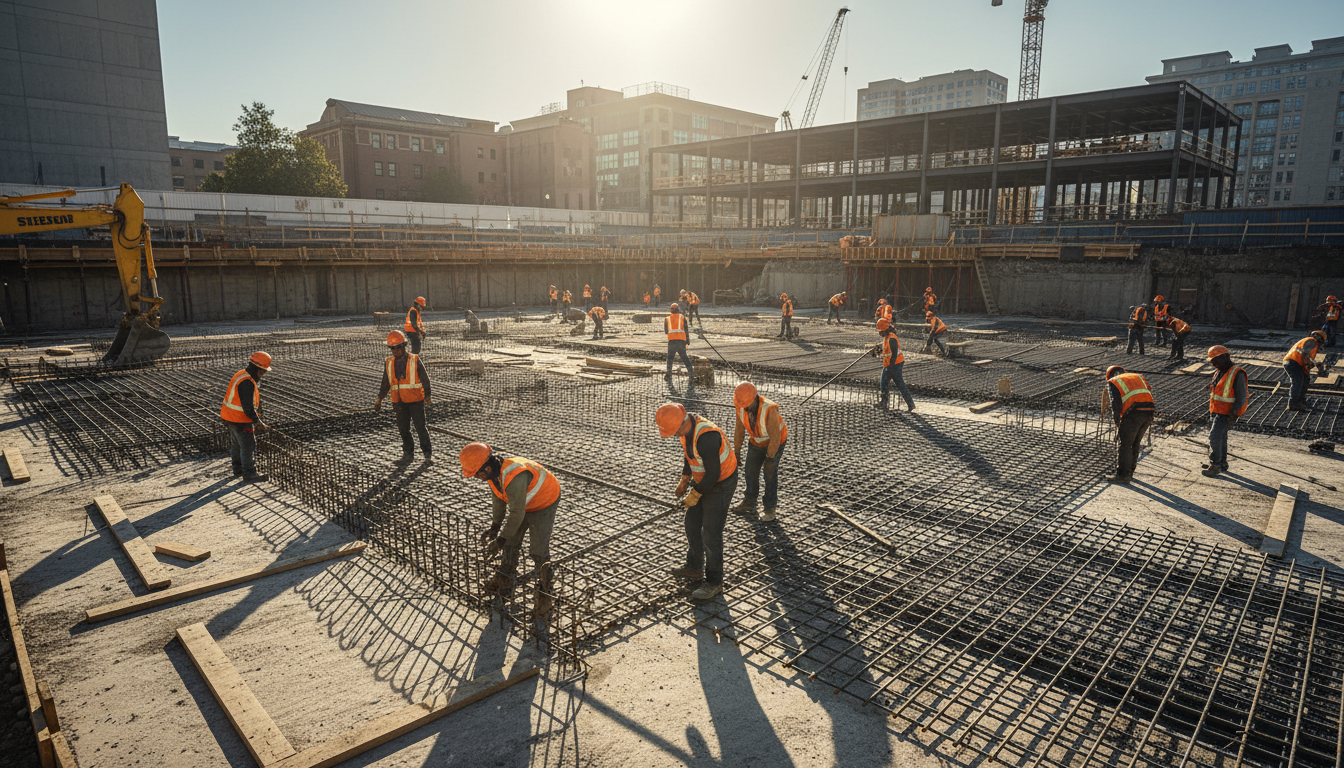
Investing in Local Talent
One of the most effective ways to create sustainable job opportunities is by investing in local talent. By offering training programs and apprenticeships, construction companies can equip Bicolanos with the necessary skills to thrive in the industry. This not only provides jobs but also empowers the community.
Partnerships with Educational Institutions
Collaborating with local colleges and vocational schools can help develop tailored programs that meet the specific needs of the industry. These partnerships can ensure a steady pipeline of skilled workers ready to tackle various construction projects.

Emphasizing Green Construction
As the world moves towards sustainability, Bicol's construction industry can lead the way by embracing green construction practices. By focusing on environmentally friendly methods and materials, the industry can create jobs that contribute to a sustainable future.
Benefits of Green Construction
Green construction not only reduces environmental impact but also lowers energy costs and increases the value of properties. This approach can attract investors looking to support sustainable projects, further boosting job creation in the region.

Supporting Local Suppliers
Utilizing local suppliers for materials and services can significantly contribute to job creation. By sourcing locally, construction companies can support other businesses in Bicol, creating a ripple effect of economic growth and employment opportunities.
Building a Strong Network
Establishing a robust network of local suppliers ensures a reliable supply chain and fosters a sense of community. This collaboration can lead to increased innovation and productivity within the industry.
Conclusion
Creating sustainable job opportunities in Bicol’s construction industry requires a multifaceted approach. By investing in local talent, embracing green construction, and supporting local suppliers, the region can build a thriving industry that benefits everyone involved. Through these efforts, Bicol can pave the way for a prosperous and sustainable future.