Empowering Iriga City: The Role of Local Talent in Sustainable Construction
BC
Introduction to Sustainable Construction in Iriga City
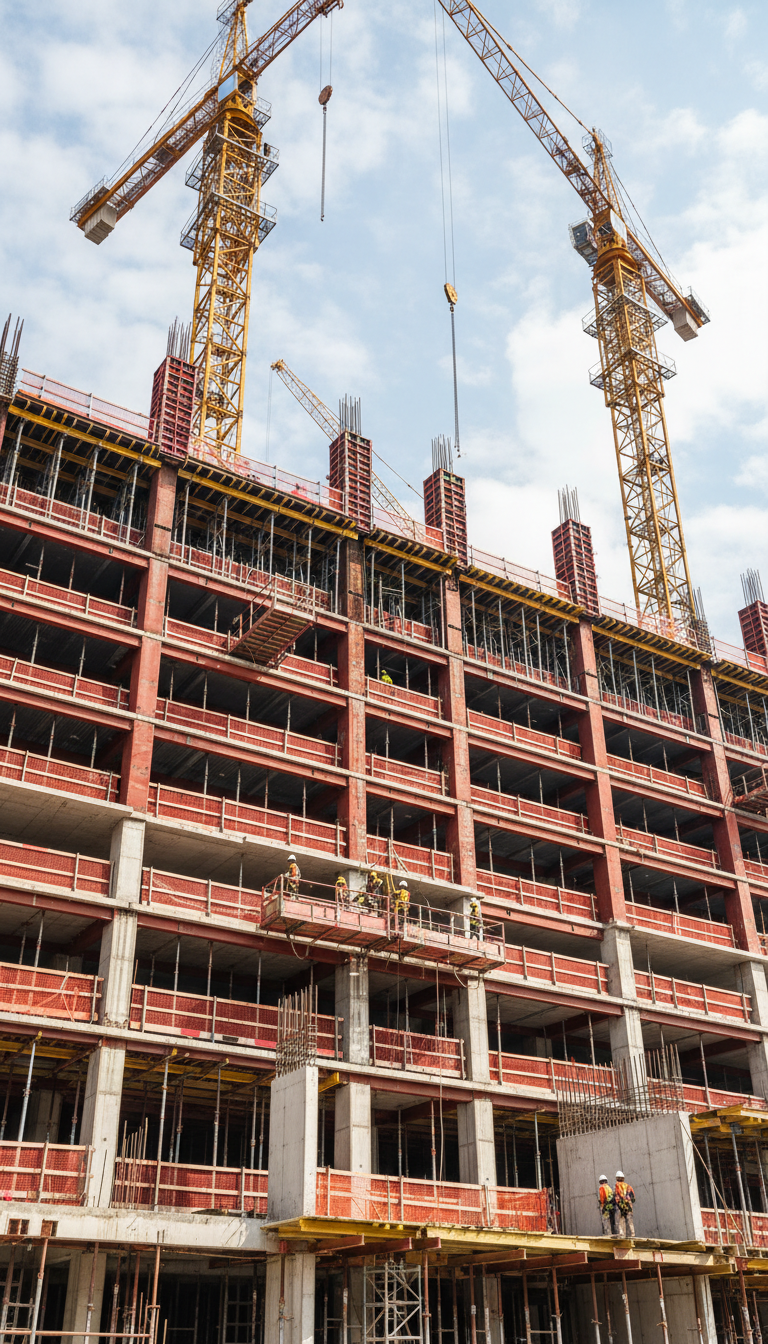
As the world increasingly embraces sustainability, Iriga City is at the forefront of this movement in the Philippines. The city is harnessing the power of local talent to drive sustainable construction projects. By integrating local skills with innovative construction practices, Iriga City is setting an inspiring example for other regions.
Local talent plays a crucial role in ensuring that construction projects are not only environmentally friendly but also culturally relevant. This approach not only benefits the environment but also empowers the community by creating job opportunities and fostering economic growth.
The Importance of Local Talent
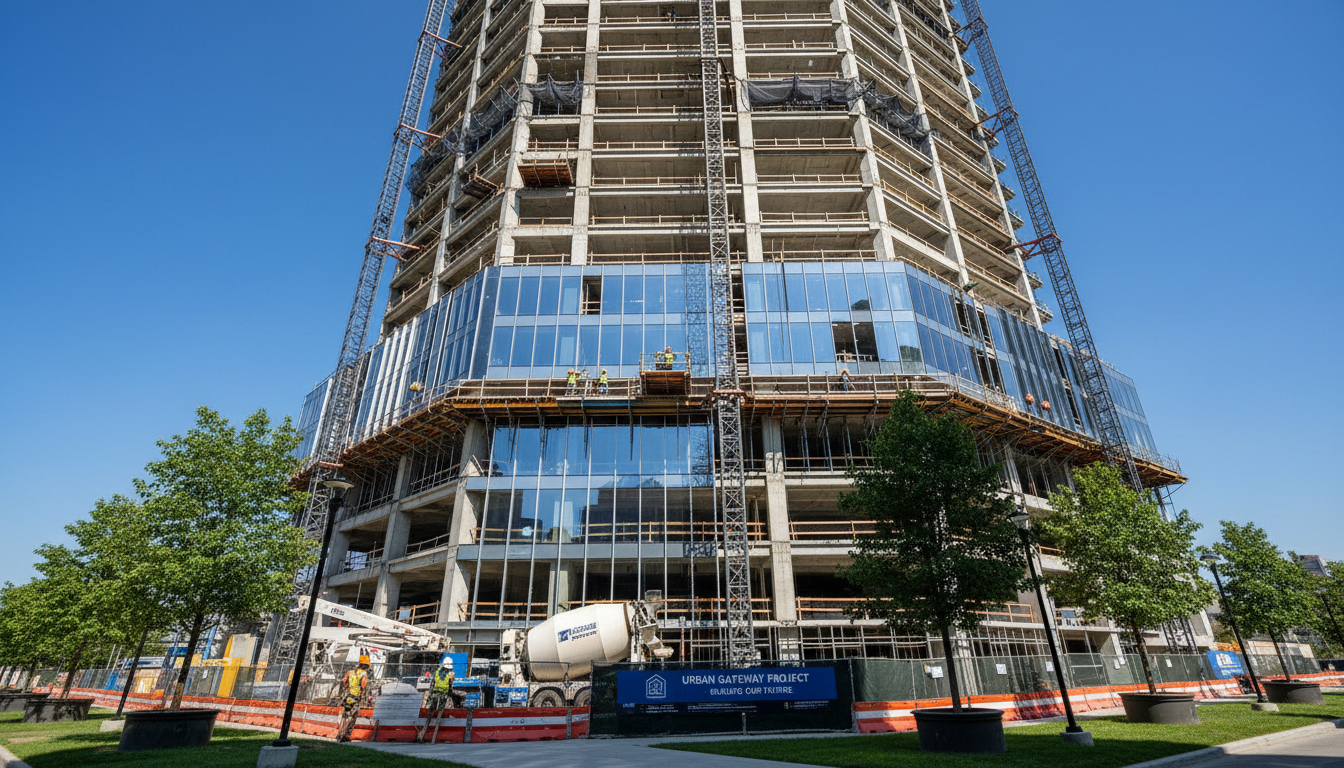
Local talent brings an intimate understanding of the region's needs and cultural nuances, which is essential for sustainable development. These individuals are equipped with the knowledge of local materials and traditional building techniques, which can be combined with modern practices to create structures that are both sustainable and resilient.
Moreover, employing local talent ensures that the benefits of construction projects remain within the community. It reduces the need for external labor and resources, which can be costly and less sustainable in the long run.
Training and Development Initiatives
To maximize the potential of local talent, Iriga City has invested in training and development programs. These initiatives aim to equip workers with the latest skills in sustainable construction techniques, such as energy-efficient design and renewable energy integration.
By providing access to education and resources, the city is nurturing a skilled workforce capable of driving future projects. This has a ripple effect, enhancing the overall economic stability and resilience of the community.

Sustainable Materials and Practices
One of the key aspects of sustainable construction in Iriga City is the use of locally sourced materials. This not only reduces the carbon footprint associated with transportation but also supports local industries. Materials such as bamboo, recycled steel, and eco-friendly concrete are becoming staples in construction projects.
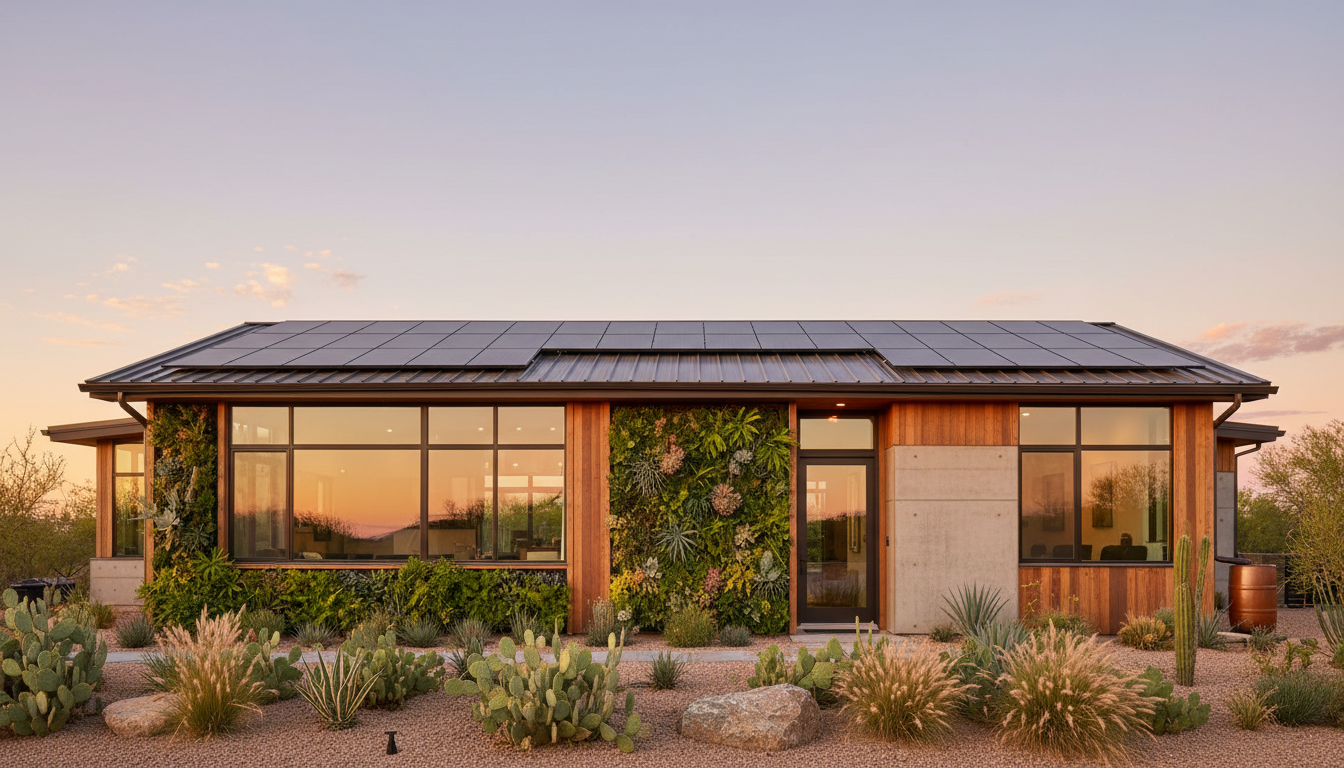
Additionally, sustainable practices such as rainwater harvesting, solar energy utilization, and waste reduction are being integrated into building designs. These strategies ensure that the structures are not only green but also cost-effective in the long term.
Community Involvement and Impact
The involvement of the local community in construction projects fosters a sense of ownership and pride. Community-driven projects are more likely to succeed as they align with the residents' needs and expectations. This involvement also encourages the adoption of sustainable practices at a grassroots level, promoting a culture of environmental responsibility.
As a result, the impact of sustainable construction goes beyond the physical structures. It enhances the quality of life by creating healthier living environments and reducing the ecological footprint of the city.
Looking Ahead: Future Opportunities
The future of sustainable construction in Iriga City looks promising as more projects are planned and executed with a focus on sustainability. The continuous investment in local talent and sustainable practices is expected to drive innovation and attract green businesses to the region.
Iriga City's efforts demonstrate that sustainable construction is not just an environmental imperative but also a social and economic opportunity. By empowering local talent, the city is building a future that is both prosperous and sustainable.