
How to Navigate a Career in the Philippine Construction Industry
BC
Understanding the Industry Landscape
The Philippine construction industry is a dynamic and rapidly growing sector, offering numerous opportunities for career advancement. With the country's ongoing infrastructure development projects, there is a high demand for skilled professionals. Understanding the industry's landscape is the first step in navigating your career successfully.
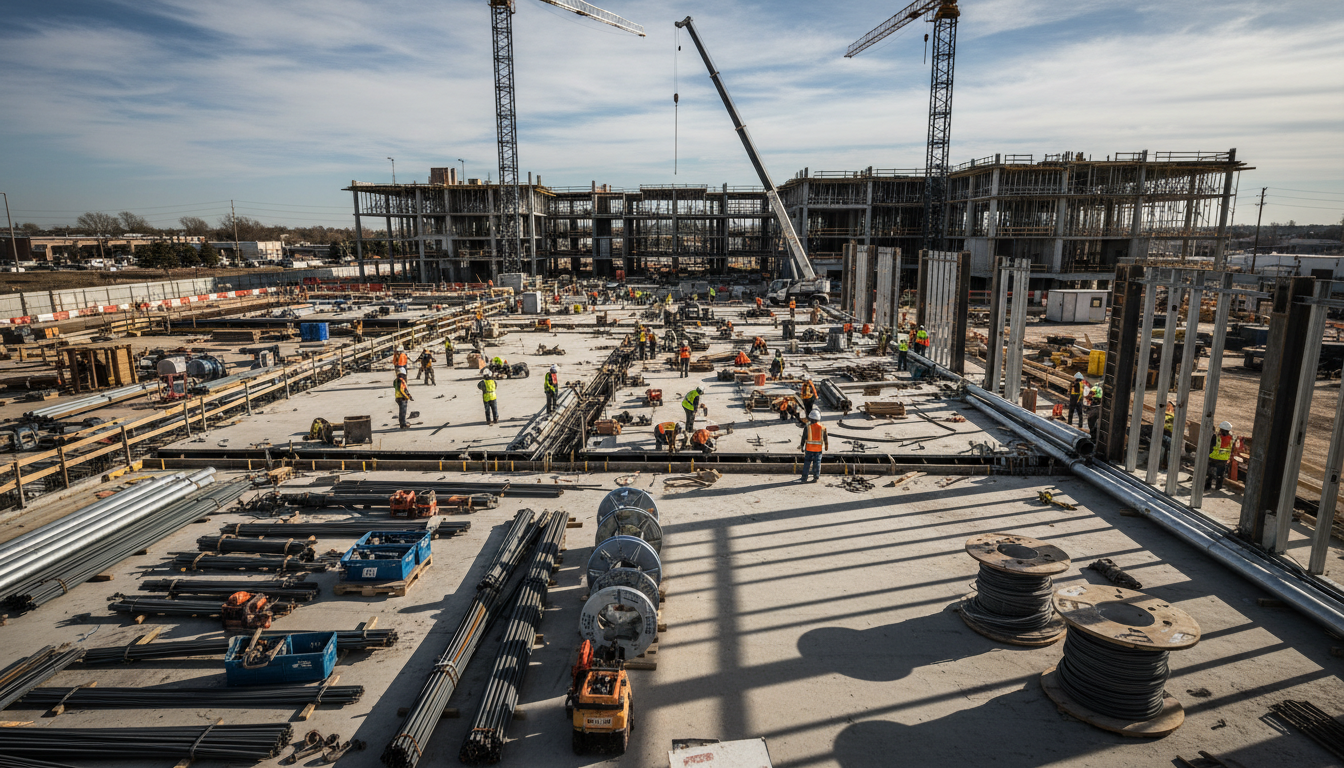
Construction in the Philippines encompasses various segments such as residential, commercial, and infrastructure projects. Each segment presents unique challenges and opportunities, making it essential to identify which area aligns with your career goals.
Essential Skills and Qualifications
To thrive in the construction industry, certain skills and qualifications are crucial. Technical skills are fundamental, but soft skills such as communication and leadership are equally important. Employers often look for candidates with a strong educational background in engineering, architecture, or related fields.
Additionally, certifications and licenses can enhance your employability. Many professionals pursue further education or training to specialize in areas like project management or safety compliance. These qualifications set you apart in a competitive job market.

Building a Strong Network
Networking plays a significant role in career growth within the construction industry. Establishing connections with industry professionals can open doors to new opportunities and provide valuable insights into the latest trends and best practices.
Consider joining professional organizations and attending industry conferences or seminars. These platforms allow you to meet like-minded individuals and potentially find mentors who can guide you in your career journey.

Overcoming Industry Challenges
The construction industry in the Philippines faces several challenges, including regulatory hurdles, environmental concerns, and fluctuating economic conditions. Being adaptable and proactive in finding solutions to these challenges is vital for career advancement.
Staying informed about government policies and industry regulations can help you anticipate changes and adjust your strategies accordingly. Embracing technology and sustainable practices can also position you as a forward-thinking professional.
Career Advancement Strategies
To climb the career ladder in the construction industry, focus on continuous learning and professional development. Seeking feedback from peers and supervisors can help you identify areas for improvement and set realistic career goals.
- Pursue advanced certifications or degrees.
- Take on challenging projects to broaden your experience.
- Seek leadership roles to enhance your management skills.
By strategically planning your career path and being open to new experiences, you can achieve long-term success in the Philippine construction industry.

Conclusion
Navigating a career in the Philippine construction industry requires a combination of technical expertise, networking skills, and adaptability. By understanding the industry landscape, acquiring essential skills, and continuously seeking growth opportunities, you can build a rewarding and successful career.
Embrace the challenges and changes within the industry, and position yourself as a valuable asset to your organization. With determination and strategic planning, the possibilities are endless.